
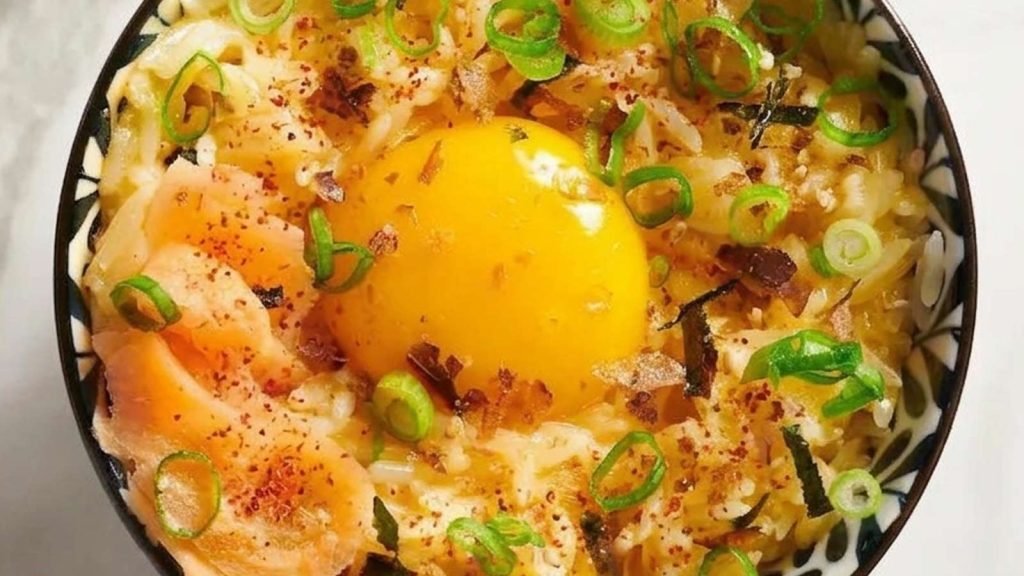
Looking for Japanese Breakfast Recipes? Try this TKG Rice!

Japanese breakfast recipes, egg rice

We’ll send it straight to your inbox, along with weekly dinner inspiration!

Tamago Kake Gohan, literally meaning cooked Japanese rice topped or mixed with raw egg. Rice for breakfast may look odd in the US, but in Japan it is considered the perfect anchor for Ichiju Sansai, which means “one soup, three dishes.” 

I mean, what can’t you do with boiled rice? Broth, soup, or sautéed vegetables; everything pairs well with it. 

Not every morning calls for pouring milk over cereal; sometimes we need a longer-lasting source of nutrition, and TKG covers every bit of that. There’s no complicated step here, just hot rice with a raw egg whisked into it, finished with a bit of seasoning.

Fluff the rice with chopsticks until the egg becomes pale, airy, and foamy, suspending the grains in a delicate mixture that falls somewhere between custard and meringue.
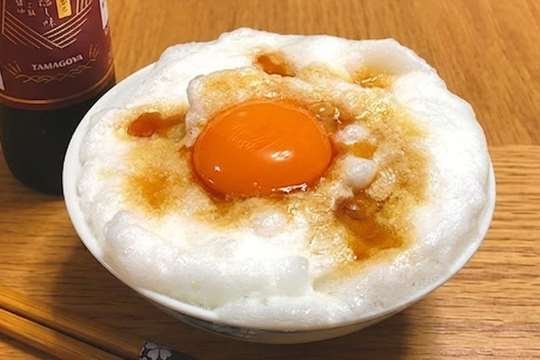
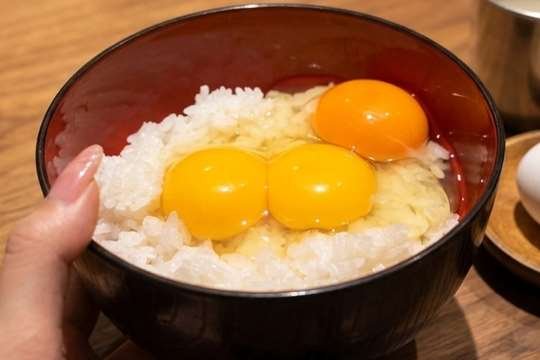
Raw egg in rice
Raw egg in rice
TKG Rice
TKG Rice

Why I Love This Recipe

What I love most is the flexibility. You can keep it plain and traditional—just rice, egg, salt, and maybe a splash of soy sauce. Or you can dress it up with furikake (Japanese seasoning blend), scallions, sesame oil, nori (seaweed), or even leftover vegetables from dinner.

No matter how simple or elaborate it becomes, TKG always keeps its comforting heart intact.

I’ve made it with just salt and soy sauce on mornings when I wanted something pure and traditional. I’ve made it with furikake, green onions, and a drizzle of sesame oil on mornings when I wanted more flavor. Every version works. Every version is delicious.

A Crunchy American Spin on Tamago Kake Gohan

As comforting and traditional as Tamago Kake Gohan is, I also love giving it a slightly chaotic American twist every now and then. And yes, that means crushing a handful of Takis over the top. (So a bit processed twist i’d say)

The spicy lime seasoning cuts through the richness of the egg while the crunch adds a texture that soft rice alone does not have. It sounds a little ridiculous at first, but somehow it works in the same way hot sauce on eggs works. Salty, spicy, creamy, crunchy—every bite feels louder and messier in the best possible way.

It is definitely not traditional, and probably something that would make a Japanese grandmother frown for a moment. But sometimes comfort food is about honoring tradition, and sometimes it is about eating hot rice with crushed chips straight out of the bag at midnight.

Tamago Kake Gohan (Japanese Rice With Eggs)

PREP

2 minutes

COOK

0 minutes (uses pre-cooked rice)

TOTAL

2-3 minutes

SERVINGS

1 serving

INGREDIENTS

1 cup (about 150g) cooked Japanese rice (warm)
1 large egg, room temperature
1 teaspoon soy sauce (shoyu)
A pinch of salt
A pinch of white pepper
Optional: ½ teaspoon Furikake
Optional: ½ sheet of nori (seaweed), chopped
Optional: ¼ teaspoon sesame oil
Optional: 1 tablespoon of scallions, chopped

INSTRUCTIONS

Place warm cooked rice in a bowl
Crack raw egg directly into the warm rice
Add soy sauce and a pinch of salt
Using chopsticks or fork, whisk the egg vigorously into the rice
Continue whisking until egg becomes pale, airy, and foamy
Rice should be suspended in a creamy, custard-like mixture
Top with furikake, chopped nori, or scallions if desired
Drizzle with sesame oil if using
Serve immediately while warm

NOTES

About 1 egg per 1 cup rice creates perfect balance.

Tips & Variations

Umeboshi Version: Top with pickled plum for salty, sour complexity
Ikura (Salmon Roe): Add salmon roe on top for luxurious, briny flavor
Nattō Version: Mix in fermented soybeans for pungent, traditional taste
Tuna Mayo: Add canned tuna mixed with mayo for creamy richness
Crispy Bacon: Crumble bacon on top for smoky, salty crunch
Avocado: Add sliced avocado for creamy, modern twist
Spicy Mayo: Mix mayo with sriracha, dollop on top
Mushroom Topping: Sauté mushrooms separately, add on top
Leftover Veggie: Top with any leftover cooked vegetables
Garlic Oil Drizzle: Finish with garlic-infused oil for aromatic richness
Wasabi Heat: Add tiny dab of wasabi for sharp heat
Crispy Shallots: Top with fried shallots for textural contrast
Bonito Flakes: Traditional topping that dances from heat
White Pepper: Freshly ground white pepper adds subtle spice
Rice Temperature: Rice MUST be hot; cold rice won't properly cook the egg
Ingredient sourcing: Find Japanese rice (short-grain white rice is traditional) at any grocery store. Look for brands like Calrose or Kokuho.

Egg Freshness

Tamago Kake Gohan is traditionally made with a completely raw egg, and that’s a big part of what makes it so silky and delicious. In Japan, eggs are specially pasteurized and held to incredibly strict safety standards, which is why eating them raw is so commonplace there.

I personally use pasteurized eggs whenever I make TKG at home — they go through a heat treatment that eliminates harmful bacteria like Salmonella without actually cooking the egg, so you still get that gorgeous raw egg texture with a much lower risk.

That said, I’d strongly recommend avoiding raw eggs entirely if you’re pregnant, elderly or immunocompromised. In those cases, a lightly poached or onsen egg (soft-cooked to 145°F/63°C) makes a wonderful and safer swap that still gives you that runny, custardy yolk we’re going for. Your bowl, your call — just go in informed!

Whether you keep it traditional or give it your own chaos-energy American twist with crushed Takis at midnight, TKG is the kind of breakfast that makes you understand why an entire country has been eating this for generations. Make this tomorrow morning and thank me later.