
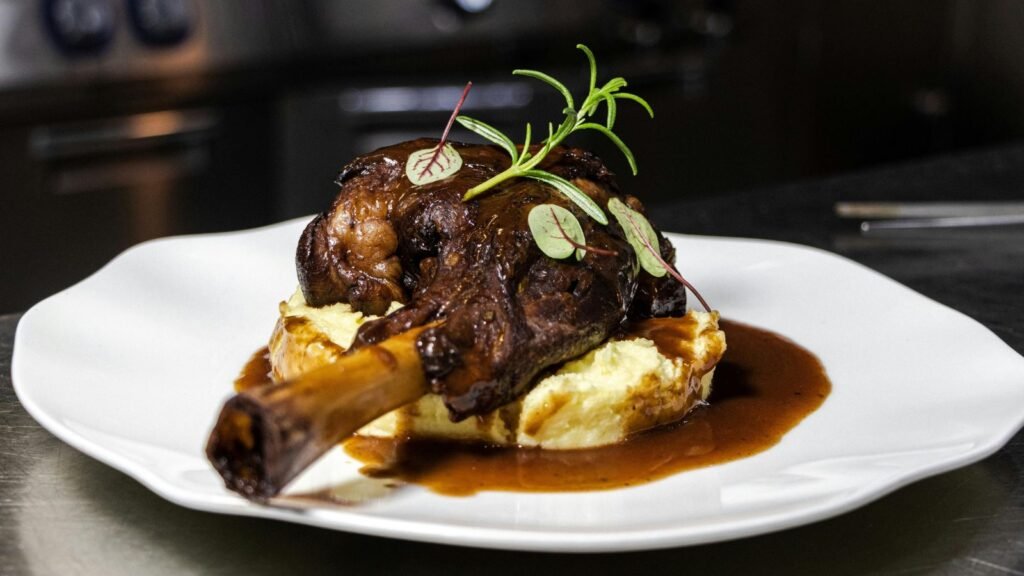
Try This Roast Lamb Leg with Gravy On Your Next Family Dinner

We’ll send it straight to your inbox, along with weekly dinner inspiration!

Family dinners are a communion meant to share flavors and make memories. And a roast lamb leg works well for that. It’s classic, satisfying, and looks impressive without being hard to make.

This recipe focuses on simplicity and technique. With just a handful of ingredients and a straightforward method, you get a dish that feels rich, flavorful, and deeply satisfying. The lamb roasts slowly until tender, developing a golden crust on the outside while staying juicy inside. And the best part is the gravy, made right in the same pan, capturing every bit of flavor from the roast.
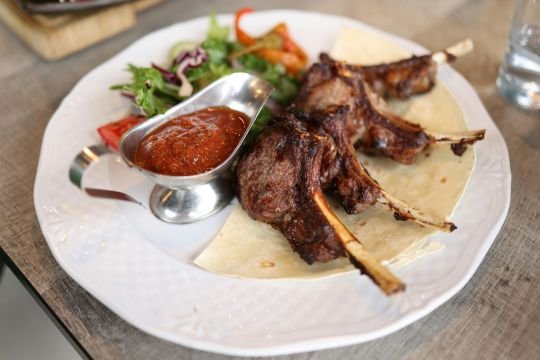
Lamb legs roasted with sauce
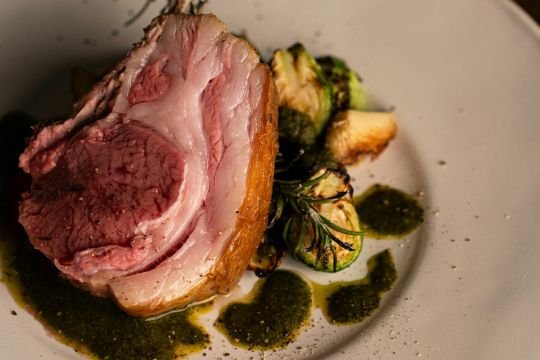
Raw lamb leg on a garnished plate

Why This Recipe Works

The Roast That Never Fails

Lamb has a naturally rich, slightly earthy flavor that makes it ideal for roasting. Unlike more delicate meats, it holds up beautifully to bold aromatics like garlic and rosemary. These simple ingredients enhance the meat rather than masking it, creating a balance that feels both rustic and refined.

The structure of this recipe is what makes it so reliable. Starting with high heat gives the lamb a deeply caramelized exterior. This initial blast of heat seals in juices and creates that beautiful golden crust. Once the temperature is lowered, the lamb cooks more gently, allowing the interior to stay tender and evenly cooked.

Another reason this recipe works so well is the use of the roasting pan. Instead of discarding what’s left behind, the drippings become the base of a rich, savory gravy. These juices carry concentrated flavor from the lamb, garlic, and herbs, turning a simple sauce into something that truly completes the dish.

The result is a roast that feels luxurious but is built on practical, approachable steps.

What Makes This Version Special?

Simple Techniques That Deliver Big Flavor

This recipe stands out because of how it uses simple techniques to create depth. Studding the lamb with garlic ensures that flavor runs throughout the meat instead of staying on the surface.

The roasting method builds layers of texture, from the crisp outer crust to the tender interior. And by making the gravy directly in the roasting pan, nothing is wasted. Every bit of flavor developed during cooking is carried through to the final dish.

It’s this combination of efficiency and flavor that makes the recipe feel both practical and special.

Roasted Lamb Leg With Gravy

If you’re looking for a centerpiece that delivers on both taste and presentation, this roast lamb leg is exactly what you want on your dinner table.

PREP

20 mins

COOK

1 hr 40 mins

TOTAL

~2 hrs

SERVINGS

6–8 servings

INGREDIENTS

For the lamb: 2–2.5 kg leg of lamb (bone-in or boneless)
5 garlic cloves, cut into slivers
2 tbsp fresh rosemary, finely chopped
2 tbsp olive oil
1 ½ tsp salt
1 tsp black pepper
For the gravy: 2 tbsp flour
2 cups beef stock
Salt and pepper, to taste

INSTRUCTIONS

Preheat your oven to 240°C (465°F). Take the lamb out of the refrigerator about 30 minutes before cooking so it can come closer to room temperature. This helps it cook more evenly.
Pat the lamb dry thoroughly with paper towels. Removing excess moisture is key to achieving a good crust. Use a small, sharp knife to make shallow cuts across the surface of the meat, spacing them a few centimeters apart. Insert slivers of garlic into each cut, pushing them in gently so they stay in place while roasting.
Drizzle the lamb with olive oil and rub it evenly across the entire surface. This helps the seasoning stick and encourages browning.
Mix the chopped rosemary, salt, and black pepper, then press the mixture onto the lamb. Take your time with this step, making sure the seasoning is evenly distributed. A well-seasoned exterior makes a big difference in the final flavor.
Place the lamb on a rack set over a roasting pan. This allows heat to circulate around the meat and prevents it from sitting in its own juices.
Roast in the preheated oven for 20 minutes. During this time, the lamb will begin to brown and develop that signature crust. You’ll notice the aroma of garlic and rosemary filling the kitchen, which is always a good sign.
Reduce the oven temperature to 180°C (350°F). Continue roasting the lamb for about 1 hour 15 minutes, depending on its size and your preferred level of doneness.
For a slightly pink center, aim for an internal temperature of around 60–65°C (140–150°F). If you prefer it more well done, leave it in a bit longer, but be careful not to overcook, as lamb can dry out if left too long.
Once the lamb is done, transfer it to a large plate or cutting board. Cover it loosely with foil and let it rest for at least 15–20 minutes.
This step is essential. Resting allows the juices to redistribute throughout the meat, ensuring that each slice is moist and flavorful. Cutting into the lamb too soon will cause those juices to run out, leaving the meat drier than it should be.
While the lamb rests, place the roasting pan on the stove over medium heat. You’ll see a mixture of fat, juices, and browned bits stuck to the bottom of the pan. That’s where all the flavor is.
Sprinkle in the flour and stir it into the drippings to form a paste. Let it cook for a minute or two to remove the raw flour taste. Gradually pour in the beef stock, stirring constantly to prevent lumps from forming.
As the mixture heats, it will thicken into a smooth gravy. Scrape up any browned bits from the bottom of the pan as you stir, incorporating them into the sauce. Season with salt and pepper to taste.
Carve the lamb into slices, cutting against the grain for the tenderest texture. Arrange the slices on a serving platter and spoon the warm gravy over the top or serve it on the side.

NOTES

The finished dish should have a beautiful contrast between the crisp exterior and the juicy interior, with the gravy adding richness to every bite.

Tips & Variations

One of the most important techniques in this recipe is the two-stage roasting process. It may seem simple, but it makes a noticeable difference in the final result.
Starting the lamb in a very hot oven helps build color quickly. This is where the crust forms, locking in juices and creating texture. Without this step, the lamb can look pale and lack that deep roasted flavor.
Once the crust has developed, lowering the oven temperature allows the meat to cook through evenly. This prevents the outside from overcooking while the inside finishes at a steady pace. It’s the balance between these two temperatures that gives you a roast that’s both beautifully browned and perfectly juicy.
One of the best things about this recipe is how adaptable it is. If you prefer a different herb profile, thyme or oregano can be used in place of rosemary for a slightly softer flavor.
For a deeper, more complex gravy, add a splash of red wine to the pan before pouring in the stock. Let it reduce slightly to concentrate the flavor before continuing with the recipe.
You can also roast vegetables in the same pan as the lamb. Potatoes, carrots, and onions will absorb the flavorful drippings as they cook, turning them into a ready-made side dish. This roast lamb leg with gravy is everything you want for an Easter meal. It’s comforting, flavorful, and impressive without being difficult. With a few simple ingredients and thoughtful technique, you get a dish that feels like it belongs at the center of the table, surrounded by good food and even better company.