
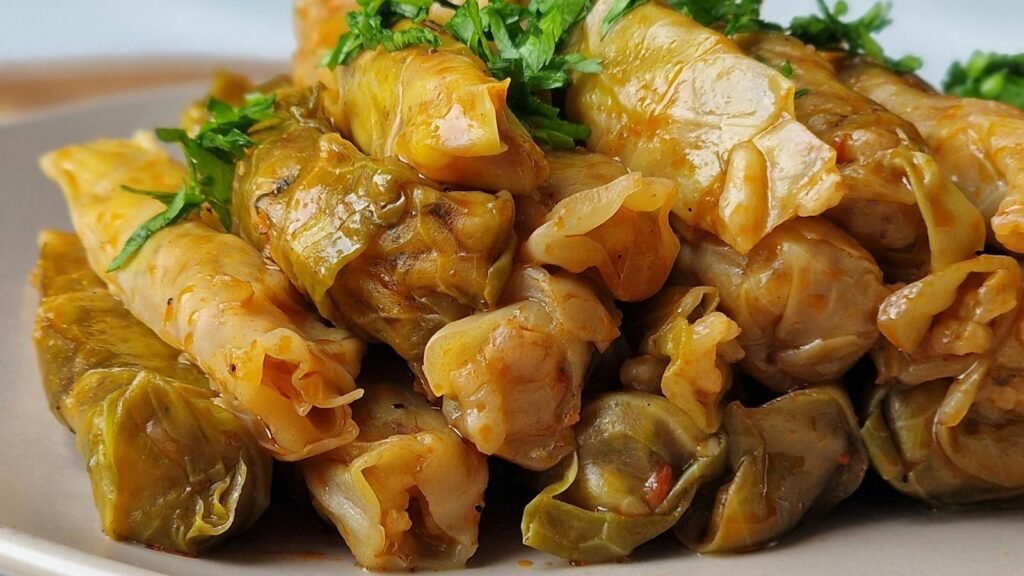
Stuffed Napa cabbage rolls represent everything that makes home cooking special; they’re impressive enough to serve to guests, comforting enough to become a family favorite, and genuine enough to feel like true nourishment rather than a mere meal.
When you bite into a tender napa cabbage roll, you experience a symphony of textures and flavors: the soft, delicate cabbage leaf giving way to a savory filling of seasoned meat and rice, all enveloped in a rich, slow-simmered tomato sauce that clings to every bite. These rolls are deeply satisfying on both a physical and emotional level, providing the kind of stomach-warming comfort that makes you feel genuinely cared for.
Whether you’re cooking for a family gathered around a dinner table, hosting guests who will be impressed by your culinary skills, or preparing meals for the week ahead, stuffed cabbage rolls deliver warmth, flavor, and reliability every single time. They’re not difficult to make—quite the opposite. Once you understand the simple technique of blanching leaves and rolling filling, the process becomes second nature, and you’ll find yourself making batch after batch. These rolls are your ticket to restaurant-quality dinners that look complicated but are surprisingly manageable at home.
Why These Napa Cabbage Rolls Are So Good
The magic of napa cabbage rolls lies in their perfect balance of texture, flavor, and nutrition. Unlike tougher varieties of cabbage, napa cabbage leaves are naturally tender, delicate, and slightly sweet—they blanch quickly and roll easily without cracking or tearing. This means even first-time cooks can create perfectly intact rolls that look beautiful on the plate.
The filling itself is where flavor really develops: seasoned ground meat mixed with cooked rice, sautéed onions, and garlic creates a base that’s both hearty and flavorful. The addition of an egg acts as a binder, holding everything together beautifully.
The herbs and spices, typically oregano, parsley, and a touch of garlic powder, add depth and complexity that transform simple ingredients into something remarkable. But here’s where the real magic happens: when you nestle these rolls into a rich tomato sauce and let them bake low and slow, all the flavors marry together.
The tomato sauce penetrates the cabbage and fills it, creating moisture and binding everything together. The edges get slightly caramelized, developing deeper flavors, while the centers remain tender and juicy. What you end up with is a dish that’s greater than the sum of its parts, something that tastes like it took hours but was actually quite straightforward.
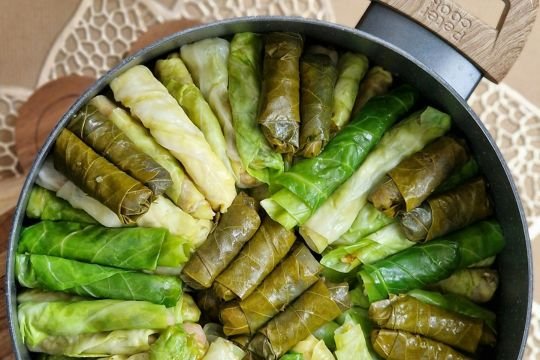

Understanding the Tomato Sauce
The tomato sauce is arguably the most important component of successful cabbage rolls. A good sauce should be rich, flavorful, and slightly tangy, not overly acidic, but with enough acidity to balance the richness of the meat and provide brightness to each bite.
The best sauce starts with either fresh tomatoes (if in season) or high-quality canned tomatoes. Avoid cheap tomato products that taste tinny or watery. A basic sauce combines crushed or diced tomatoes with tomato paste (which adds concentrated flavor and helps thicken the sauce), sautéed onions, minced garlic, and just enough broth to create the right consistency. Season generously with salt, pepper, and Italian herbs.
Some recipes add a pinch of sugar to balance acidity, which is absolutely acceptable. The key is tasting as you go and adjusting seasonings until you achieve a sauce that’s bold enough to shine on its own but balanced enough to complement rather than overpower the delicate cabbage and filling. About fifteen minutes of gentle simmering before adding the rolls allows the sauce to develop proper depth and flavor.
Baking the Rolls to Perfection
The baking process is where technique really matters. Most recipes call for covering the rolls with foil or a lid to help them stay moist during the initial cooking phase, then removing the cover toward the end to allow the sauce to reduce slightly and develop better flavor. Baking at a moderate temperature—around 350°F—for approximately 45 minutes to 1 hour is ideal.
This allows the filling to cook through completely (the meat should register at least 165°F if pork or poultry is used), the cabbage to become wonderfully tender, and all flavors to meld harmoniously.
The sauce should bubble gently around the rolls rather than boil vigorously, which can cause them to break apart. You’ll know the rolls are perfectly done when a fork easily pierces both cabbage and filling, and the sauce has reduced slightly, becoming more concentrated and flavorful. The rolls will also have pulled away slightly from the edges of the baking dish, creating a visual cue that they’re ready to come out of the oven.